
English


Views: 0 Author: Site Editor Publish Time: 2026-08-05 Origin: Site


Commercial baking demands absolute precision. Dried fruit acts as a notoriously high-risk ingredient on automated production lines. Minor variances in physical properties disrupt dough rheology, jam hoppers, and compromise final product consistency. Procurement and R&D teams must balance flavor profiles with strict technical tolerances. Incorrect specifications lead to moisture migration, uneven distribution during mixing, dough tearing, and accelerated microbial spoilage on the shelf. Selecting the right bulk raisins for bakery formulations requires moving far beyond basic taste tests. You need a technical framework for evaluating varietals, geographic origins, processing methods, and supplier specifications. This ensures scalability, quality control, and consistent yield in high-speed commercial environments. We will break down the exact parameters needed to keep your lines running smoothly and your crumb structure intact.

Moisture Management is Critical: The ideal moisture content and water activity (Aw) of raisins dictate shelf life and dough hydration; pre-conditioning protocols are often required to prevent the fruit from drawing moisture from the crumb.
Varietal and Origin Dictate Application: Thompson, Golden, Sultana, and Black raisins offer distinct structural, hydration, and color properties. Sourcing origins (e.g., California vs. global imports) impact USDA grading, regulatory compliance, and consistency.
Clean-Label Functionality: Beyond sweetness, raisins serve as natural humectants and sugar replacers, aligning perfectly with clean-label consumer trends for wholly natural bakery products.
Processing Impacts Machinability: Sun-dried versus machine-dried methods affect skin integrity, which directly influences how the raisin withstands high-shear mechanical mixing without bleeding or smearing.
Strict Specs Prevent Production Halts: Sourcing requires rigid tolerances for sizing (count per 100g), Brix levels, stem allowances, and oil coatings to ensure uniform distribution and prevent clumping in automated hoppers.
Table of Contents
Understanding the thermodynamics of moisture transfer between dried fruit and dough remains essential for commercial bakeries. Water activity (Aw) measures the availability of free water within an ingredient. When raisins possess a lower Aw than the surrounding dough matrix, they act as a desiccant. This moisture migration pulls water from the crumb into the fruit. The result is a dry halo around the inclusion, leading to localized staling and accelerated starch retrogradation. Conversely, if the fruit holds excess surface moisture, it creates high-Aw pockets within the baked product. These localized wet zones become prime breeding grounds for mold growth, severely compromising shelf life. Formulators must establish exact moisture parameters to ensure equilibrium between the fruit inclusions and the baked crumb. You cannot rely on ambient moisture; you must measure Aw at the bench before scaling up.
Component | Typical Water Activity (Aw) | Moisture Migration Direction | Production Impact |
|---|---|---|---|
Standard Bread Crumb | 0.95 - 0.98 | Outward to dry inclusions | Baseline target for soft baked goods. |
Unconditioned Raisins | 0.55 - 0.65 | Inward (absorbs from crumb) | Causes rapid staling and dry texture in the final product. |
Pre-Conditioned Raisins | 0.85 - 0.90 | Equilibrium (minimal transfer) | Maintains crumb softness and extends perceived freshness. |
Raisin density and skin toughness directly impact the gluten matrix during automated processing. Commercial mixing involves high-shear forces from spiral mixers that stretch and align gluten strands. If raisins lack structural integrity, they rupture under this stress. Burst fruit releases internal sugars and acids that weaken the dough structure and create a sticky surface. Sticky dough jams automated dividers, rounders, and sheeting lines. Tougher skins resist shearing during these mechanical stages. Maintaining dough strength requires selecting fruit that can withstand mechanical handling without tearing the surrounding gluten network. You must balance skin durability with the desired eating quality, ensuring the fruit remains intact through the hopper and into the final proofing stages.
The natural composition of raisins interacts dynamically with commercial dough conditioners and preservatives. Raisins contain high levels of organic acids, including tartaric acid and propionic acid precursors. These natural compounds lower the pH of the dough matrix. A lower pH can actually enhance the efficacy of chemical mold inhibitors like calcium propionate. However, excessive acidity retards yeast fermentation rates. This requires adjustments to proofing times or yeast dosing on the floor. Formulators must analyze how these natural acids interact with synthetic additives to optimize both volume expansion and microbiological stability over the product's intended shelf life. You cannot simply swap raisin volumes without adjusting your yeast and preservative load.
Modern consumers demand transparency, driving the shift toward clean-label bakery products. Raisins function as highly effective natural humectants and sugar replacers. They allow bakeries to reduce reliance on refined sugars and synthetic moisture-retaining agents. Wholly natural, sun-dried varieties satisfy strict clean-label criteria, supporting no-added-sugar and sulfite-free claims on packaging. The high fructose and glucose content provides natural sweetness while contributing to desirable crust browning through the Maillard reaction. Utilizing these natural properties allows commercial bakeries to elevate premium product lines while maintaining strict ingredient transparency. You get functional moisture retention without adding chemical names to your ingredient deck.
Thompson Seedless raisins serve as the baseline standard for commercial bakery applications. Their robust skin integrity, medium-firm texture, and consistent natural sweetness make them highly versatile. These characteristics allow Thompson raisins to endure high-friction mixing environments typical in standard bread, bagel, and cookie dough production. The durable outer skin prevents premature rupturing, ensuring the fruit remains whole and visually distinct in the final crumb. Their predictable hydration rates and reliable availability make them the preferred choice for high-volume, automated bakery lines requiring strict consistency. When you need a workhorse ingredient that survives the spiral mixer, Thompson is the default.
Golden raisins undergo a specific sulfur dioxide (SO2) treatment process before drying to halt enzymatic browning and retain their vibrant yellow color. This visual contrast proves highly desirable in premium baked goods, fruitcakes, and artisan loaves. However, evaluating Golden raisins requires strict attention to regulatory and clean-label compliance. Sulfites act as an allergen for certain populations, necessitating clear labeling protocols. Formulators must weigh the aesthetic benefits of Golden raisins against the constraints of clean-label initiatives. You must ensure sulfite levels remain within legal tolerances and align with the brand's ingredient philosophy before running a massive batch.
Sultanas and Black raisins serve distinct functional roles based on dough density and desired flavor profiles. Sultanas are typically softer, feature thinner skins, and exhibit a lighter color compared to standard Thompson varieties. Their delicate structure allows for rapid hydration. This makes them ideal for delicate pastries, scones, and soft cakes where a tender bite is paramount. Conversely, Black raisins offer a deeper, caramelized, and richer flavor profile. Their robust structure suits dense, heavy doughs such as artisan holiday loaves and traditional fruitcakes. Selecting between these varietals depends entirely on the mechanical stress of the mixing process and the target sensory experience.
Varietal | Skin Toughness | Hydration Speed | Ideal Bakery Application |
|---|---|---|---|
Thompson Seedless | High | Moderate | Bagels, standard breads, heavy cookies. |
Golden | Medium | Moderate | Premium fruitcakes, artisan loaves (requires SO2 labeling). |
Sultana | Low | Fast | Scones, delicate pastries, soft cakes. |
Black | High | Slow | Dense holiday breads, heavy rye formulations. |
Geographic origin significantly impacts quality, consistency, and regulatory standards. California raisins operate under strict USDA grading systems that enforce rigid tolerances for defects, maturity, and uniform moisture content. This regulatory oversight ensures high batch-to-batch reliability, reducing formulation adjustments on the bakery floor. Global imports offer different supply structures but require rigorous auditing to verify consistency. Procurement teams must address supply chain considerations, including pesticide residue tolerances, logistical reliability, and adherence to international food safety standards when sourcing outside established domestic markets. You cannot assume an imported container matches the specs of your domestic supply without a full lab workup.
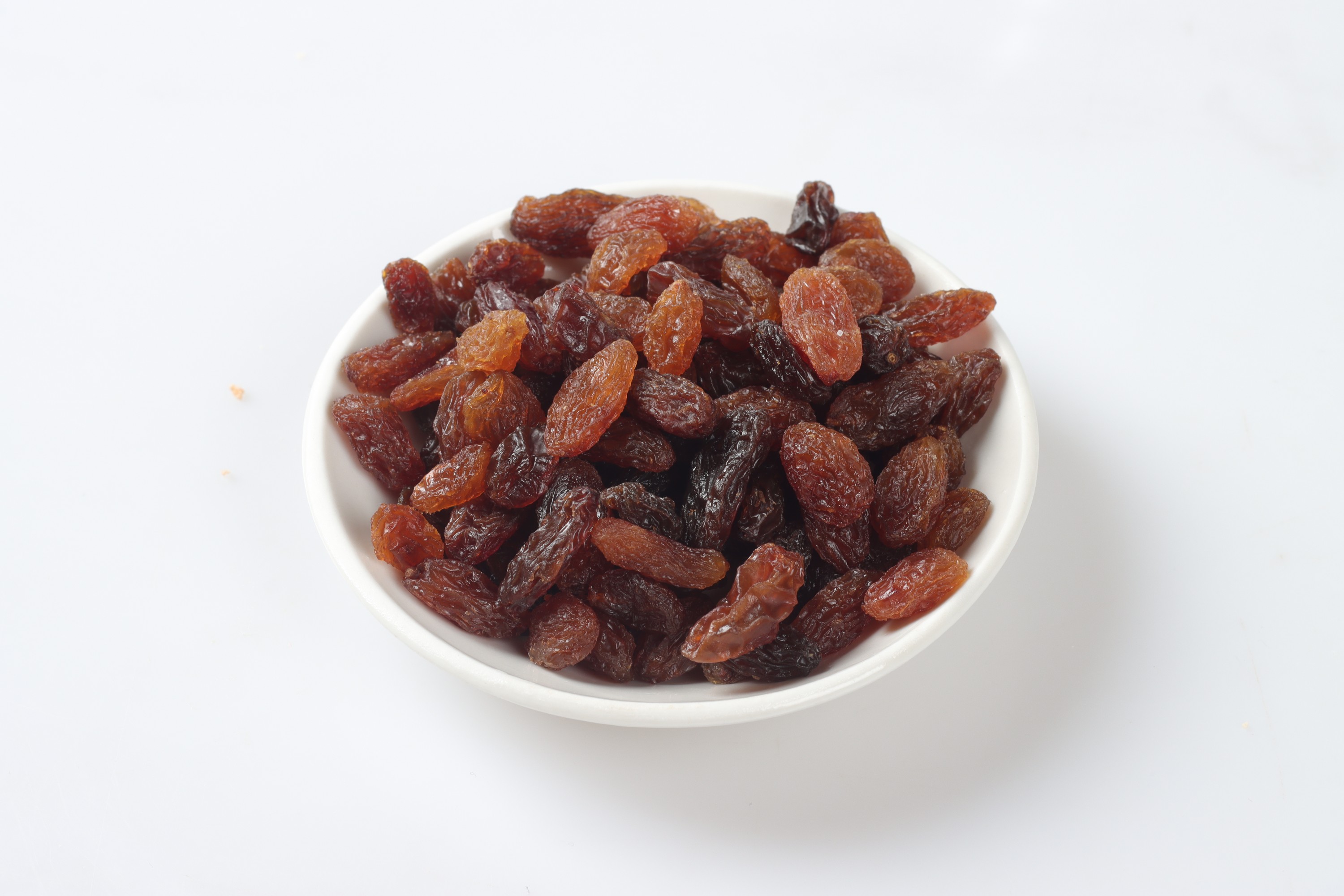
The drying method fundamentally alters the physical structure of the fruit. Traditional sun-drying exposes grapes to natural heat over extended periods, developing a caramelized skin and a classic chewy texture. This slow moisture reduction creates a resilient outer barrier. Modern machine-drying utilizes enclosed dehydration tunnels to rapidly remove moisture under controlled temperatures. While machine-drying offers tighter moisture control and faster processing times, it alters the cellular structure. This rapid dehydration changes how the raisin absorbs water during maceration. Bakeries must adjust their pre-conditioning soaking times to achieve optimal hydration without turning the machine-dried fruit to mush.
Drying speed directly dictates the toughness of the raisin's outer skin. Sun-dried raisins typically feature a thicker, more durable skin that resists mechanical damage during high-speed commercial mixing. This durability prevents the fruit from bleeding sugars into the dough, which causes unwanted crumb discoloration and sticky dough handling. Machine-dried raisins, subjected to rapid moisture loss, develop thinner skins. These delicate skins remain prone to rupture under high shear. They are better suited for gentle mixing processes or applications where the fruit is folded in post-mix rather than subjected to prolonged mechanical stress in a spiral mixer.
Processing environments heavily influence the microbiological safety of bulk ingredients. Outdoor sun-drying exposes fruit to environmental elements, potentially increasing the total plate count (TPC), wild yeast, and mold levels. Enclosed machine-drying mitigates environmental exposure, often resulting in lower initial microbial loads. Regardless of the drying method, commercial bakeries must demand strict post-harvest processing from their suppliers. Critical food safety compliance requires thorough washing, laser-sorting, and X-ray inspection to remove foreign materials, field debris, and physical hazards before the fruit enters the bakery supply chain.
Verify supplier Certificates of Analysis (CoA) for Total Plate Count (TPC) and coliforms.
Confirm the use of multi-stage laser sorting to remove field debris.
Ensure X-ray inspection is utilized to detect embedded stones or heavy foreign objects.
Review the supplier's washing and destemming mechanical processes.
Conduct random bench-top sampling of incoming pallets to verify defect tolerances.
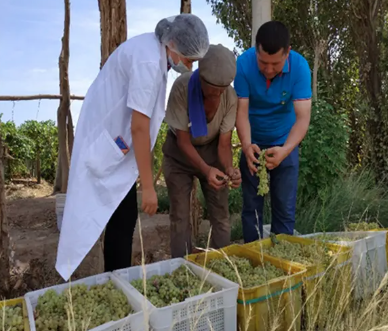
Standard commercial moisture targets typically range from 16% to 18% for everyday baking applications. High-moisture applications may require levels up to 22%. Procurement teams must rigorously evaluate supplier Certificates of Analysis (CoA) to verify moisture consistency across deliveries. Deviations from established moisture tolerances cause significant batch-to-batch dough hydration variances. If a batch arrives too dry, it aggressively pulls water from the dough, leading to stiff, unworkable matrices and dry final products. Strict moisture specifications ensure predictable rheology and consistent automated processing on the floor.
Establishing parameters for sugar concentration remains vital for fermentation control and crust development. Quality raisins typically exhibit Brix levels between 68% and 70% natural sugars. Consistent sugar levels directly affect yeast fermentation rates, particularly in recipes utilizing raisin yeast waters or long-fermentation doughs. Furthermore, these natural reducing sugars drive the Maillard reaction during baking. Variances in Brix levels result in inconsistent crust color development, leading to uneven browning across production runs. Standardizing sugar profiles guarantees uniform visual appeal and flavor intensity in the finished bake.
Automated dosing equipment requires uniform sizing to prevent bridging in hoppers and ensure accurate scaling. Sizing is typically measured by count per 100 grams. Midget grades provide high piece identity and uniform distribution, making them ideal for thin-crust items, cookies, or small-portion baked goods. Select or jumbo grades offer a substantial bite and visual impact, suited for large artisan loaves or heavy fruitcakes. Specifying the correct size grade based on the target crumb structure prevents uneven distribution and ensures every finished unit meets quality control standards.
Size Grade | Typical Count (per 100g) | Best Bakery Application |
|---|---|---|
Midget / Small | 300 - 400+ | Cookies, thin-crust breads, automated high-speed dosing. |
Select / Medium | 200 - 280 | Standard pan breads, bagels, muffins. |
Jumbo / Large | 100 - 150 | Artisan loaves, premium fruitcakes, visual topping. |
Physical hazards pose a severe risk to consumer safety and brand reputation. Stems and cap stems remain the most common defects in bulk dried fruit. Industry standards dictate strict tolerances for cap stems per pound. Evaluating a supplier requires assessing their mechanical destemming capabilities and investment in advanced optical sorting technologies. High-quality suppliers utilize multi-stage laser sorting to identify and eject stems, stones, and other foreign matter. Procurement must establish rigid defect allowances in their sourcing contracts to minimize the risk of physical hazards entering the final baked product.
Bulk raisins naturally tend to clump and form solid blocks under the weight of commercial packaging. To ensure free-flowing fruit suitable for automated hoppers, suppliers apply light oil coatings. This typically involves 0.5% to 1.0% of high-oleic sunflower oil, canola oil, or vegetable oil. While oil coating improves handling and dosing accuracy, formulators must evaluate the trade-offs regarding oil oxidation. Low-quality oils or excessive application rates lead to rancidity, imparting off-flavors and severely limiting the shelf life of the unbaked ingredient. Specifying high-stability oils mitigates this risk.
Introducing unconditioned, dry raisins directly into a dough matrix guarantees premature staling. The fruit acts as a sponge, dehydrating the surrounding crumb. Mitigation requires strict pre-conditioning and maceration protocols. Bakeries must establish controlled water or liquid soaking times, specific temperature settings, and precise drainage procedures. Proper drainage prevents excess free water from entering the mixer, which alters the dough's absorption formula and leads to sticky, unmachinable dough. Standardizing these protocols ensures the fruit reaches equilibrium before incorporation.
Weigh the exact batch of raisins required for the production run.
Submerge the fruit in water heated to 80°F - 90°F (26°C - 32°C) to accelerate hydration without cooking the skin.
Soak for 15 to 30 minutes, depending on the initial moisture content and varietal skin toughness.
Drain the fruit completely using perforated bins or centrifugal spinners to remove all surface water.
Hold the conditioned fruit for 2 to 4 hours to allow internal moisture equilibration before adding to the mixer.
Over-mixing presents a significant operational risk when handling dried fruit. Excessive mechanical action crushes the raisins, smearing dark sugars and acids throughout the dough. This results in an unappealing, discolored crumb and weakened gluten structure. Best practices dictate delayed incorporation. Operators should add the conditioned fruit only during the final stage of mixing, utilizing low speeds to gently fold the inclusions into the developed matrix. Controlling dough temperature and minimizing shear forces during this final stage preserves fruit integrity and maintains clean crumb aesthetics.
Agricultural variance remains an unavoidable reality in dried fruit procurement. Crop year transitions bring fluctuations in fruit density, skin thickness, and natural sugar content based on seasonal weather patterns. Procurement teams must proactively manage these transitions by requesting pre-shipment samples of new crop yields. R&D should adjust hydration formulas and pre-conditioning protocols based on the specific density of the incoming season's fruit. Securing multi-supplier redundancies across different geographic regions ensures a stable, uninterrupted supply of high-quality ingredients despite localized agricultural disruptions.
Choosing the right dried fruit for commercial production represents a critical engineering decision rather than a simple flavor preference. The correct specification balances moisture content, skin integrity, uniform sizing, and natural sugar levels to protect automated run-times and ensure final crumb quality. By treating these inclusions as highly functional ingredients, bakeries can prevent costly production halts and maintain strict consistency across high-volume runs. Implementing rigorous sourcing standards directly translates to superior product performance and extended shelf life.
Request 5kg to 10kg samples of specific grades to conduct bench-top hydration and Brix testing before finalizing contracts.
Demand comprehensive Certificates of Analysis (CoAs) to verify moisture tolerances, stem allowances, and sulfite levels.
Audit supplier processing facilities to confirm the presence of advanced laser-sorting and X-ray inspection technologies.
Run pilot plant trials to observe dough machinability, skin integrity under shear, and final water activity equilibrium.
For commercial bakeries seeking coordinated ingredient and production support, Baker's Kingdom combines Turpan dried-raisin manufacturing, bakery ingredient processing, and professional baking machinery capabilities. Its integrated service model supports customers with ingredients, equipment, product design, and whole-plant planning for more standardized and scalable bakery production.
A: The standard commercial moisture target ranges from 16% to 18%. Deviations cause significant production issues; fruit that is too dry pulls moisture from the crumb leading to staling, while excess moisture causes localized mold growth and sticky dough.
A: Yes, pre-conditioning or macerating is essential. Soaking prevents the dried fruit from absorbing water from the dough matrix. Proper drainage after soaking is equally critical to avoid adding uncontrolled free water to the formula.
A: A light oil coating prevents the fruit from clumping into solid blocks inside 25lb or 30lb bulk boxes. This ensures the fruit remains free-flowing for accurate dosing in automated hoppers and prevents bridging on the production line.
A: Thompson raisins feature a thicker skin and firmer texture, making them durable for high-shear mixing in breads and cookies. Sultanas are softer, lighter, and thinner-skinned, ideal for rapid hydration in delicate pastries and soft cakes.
A: They act as natural humectants, retaining moisture and extending perceived freshness. However, if their water activity is mismatched with the crumb, they accelerate staling or create wet pockets that promote localized mold growth.
A: Utilize delayed incorporation by adding the fruit only at the final stage of mixing on low speed. Ensuring the fruit is properly conditioned and maintaining cool dough temperatures also helps preserve skin integrity and prevents smearing.


