
English


Views: 0 Author: Site Editor Publish Time: 2026-08-05 Origin: Site


Ingredient failure on the bakery floor causes severe operational headaches. Incorrect dried fruit selection leads directly to premature staling, crumb tearing, and inconsistent product quality. Standard retail raisins are optimized for shelf-life and snacking, not direct dough integration. Unprepared or improperly specified raisins act as desiccants. They draw vital hydration away from the dough matrix during fermentation and baking. This moisture migration ruins the final crumb structure.
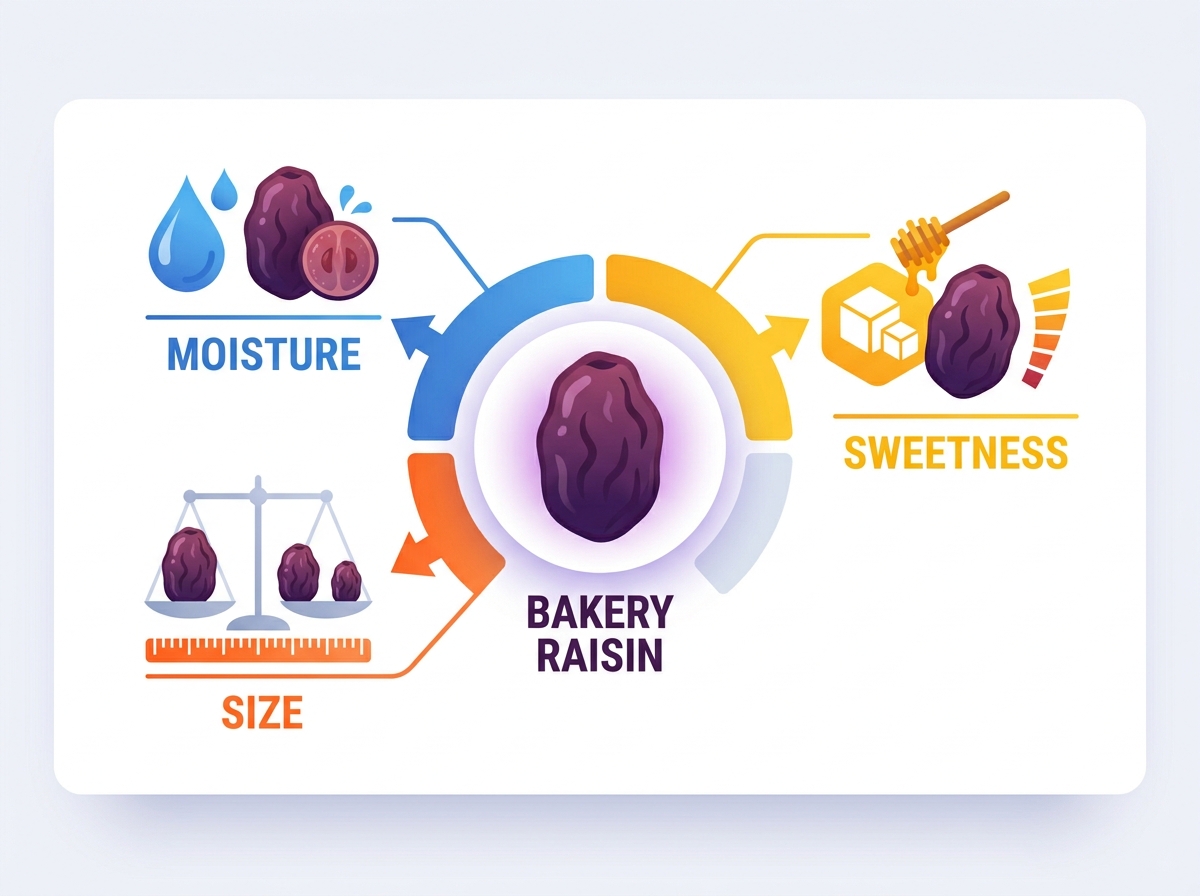
Evaluating bakery raisins requires strict technical specifications. You must assess baseline moisture, varietal size, and natural sweetness. Controlling these variables ensures structural integrity, predictable scaling, and consistent yield. Commercial bakers need predictable ingredients to maintain production efficiency. Understanding the technical differences between raw and conditioned fruit prevents costly batch failures. You will learn how to manage moisture, select the right varietal, and balance sugar osmosis for optimal dough performance.
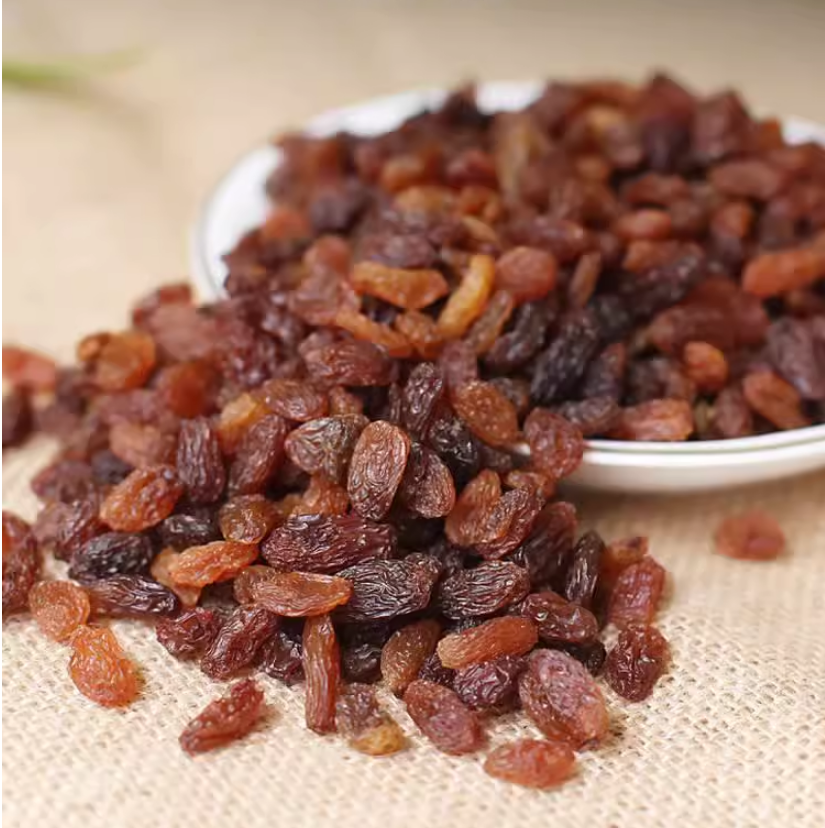
Moisture Management is Critical: Raw bakery raisins typically hold 18–20% moisture to meet USDA grading standards, but require conditioning to reach the ~35% moisture optimal for bread dough integration.
Size Dictates Crumb Structure: Varietal selection (e.g., Thompson vs. Sultana) impacts the physical distribution of fruit and the structural integrity of the baked good's crumb.
Sweetness Impacts Fermentation: The concentrated sugars in raisins can cause osmotic stress on yeast; understanding Brix levels is essential for adjusting dough formulation.
Procurement Requires Trade-offs: Balancing the cost of pre-conditioned commercial raisins against the labor and facility requirements of in-house soaking and draining protocols.
Moisture migration occurs when low-moisture inclusions enter a high-moisture dough system. Water naturally moves from areas of high concentration to low concentration. Raw raisins aggressively absorb water from the surrounding gluten network. This creates the "stealing" effect during mixing and proofing. Failing to account for this leads to a dry crumb. It accelerates staling and drastically reduces the shelf life of the final baked product. When you scale up production, this moisture loss compounds, leading to entire racks of unsellable bread.
Success requires achieving moisture equilibrium. The fruit must balance with the surrounding crumb without compromising gluten development. Properly hydrated inclusions maintain their shape and texture. They prevent the surrounding dough from becoming dense or crumbly. Bakers must control this migration to ensure a soft, resilient bread structure. We often see operators blame their flour or yeast when the real culprit is unconditioned fruit pulling water out of the matrix.
To prevent this, you have to look at the hydration percentage of your base formula. If you run a lean dough at 65% hydration and dump in dry fruit, the effective hydration of the flour drops significantly. The dough becomes stiff and difficult to machine. It tears going through the divider and struggles to sheet properly. You must treat the fruit as an active participant in the hydration equation, not just a passive add-in.
Unconditioned raisins contain high concentrations of natural sugars. These sugars create significant osmotic pressure within the dough. Osmotic stress dehydrates yeast cells. This dehydration leads to sluggish fermentation times and unpredictable proofing schedules. Adding raisins too early in the mixing process exacerbates this issue. The mechanical action crushes the fruit, releasing more sugar into the dough. This sudden spike in free sugars shocks the yeast.
Timing the addition of inclusions is critical. Best practice dictates folding raisins in at the very end of the mix. This minimizes fruit damage and limits sugar leaching. Incorporating fruit on low speed protects both the raisins and the developed gluten network. This approach ensures consistent yeast activity and predictable dough volume. Spiral mixers are particularly aggressive, so you only want the bowl spinning just long enough to distribute the fruit evenly.
If you notice your proof times extending by twenty or thirty minutes after adding fruit, check your mixing protocol. Smashing the raisins releases fructose directly into the dough water. The yeast then has to fight through a denser, sugar-heavy environment. Keep the fruit intact. Keep the mixing time short. Your proofing schedules will remain much more stable across different shifts.
The Agricultural Marketing Service outlines strict standards for processed raisins. These include U.S. Grade A, B, and C classifications. The regulatory baseline dictates that standard mixed types must contain no more than 18% moisture by weight. This limit prevents mold growth and ensures bulk storage stability. Low moisture is essential for long-term warehouse storage. It keeps the fruit safe from microbial spoilage during transit.
However, this baseline is detrimental for direct baking applications. Fruit at 18% moisture is too dry for immediate dough integration. It will inevitably draw water from the formula. Procurement teams must understand that USDA compliance does not equal bake-readiness. Standard bulk raisins always require further processing before use. You cannot just open a 30-pound case and dump it into the mixer.
Understanding the gap between storage requirements and production requirements is vital. Warehouse managers want dry fruit so it doesn't clump or mold. Bakers want wet fruit so it doesn't ruin the dough. You have to bridge this gap on the production floor. Relying solely on USDA grades tells you about the defect rate and size, but it tells you nothing about how the fruit will behave in a high-speed mixer.
The industry standard for optimal bread preparation requires approximately 35% moisture content in the fruit. This creates a significant gap between storage moisture and application moisture. Bridging this gap through conditioning is non-negotiable. Proper conditioning yields plump fruit that retains its shape during baking. It contributes to the baked good's perceived moisture rather than detracting from it.
Conditioned raisins feel soft and pliable. They integrate smoothly into the dough matrix. When the fruit matches the dough's hydration level, moisture migration stops. This equilibrium is the foundation of high-quality fruit breads and pastries. If you squeeze a conditioned raisin, it should yield easily without bursting. It should feel like a fresh grape that has just started to wrinkle.
Hitting that 35% mark consistently requires standard operating procedures. You cannot just guess. Weigh the dry fruit, condition it, and weigh it again. The weight gain tells you exactly how much water the fruit absorbed. If you start with 10 pounds of dry fruit and need it at 35% moisture, you calculate the required water uptake and adjust your soaking times accordingly.
Commercial conditioning methods vary based on facility capabilities. Ambient water soaking is common but time-consuming. Hot water steeping accelerates hydration but risks fruit degradation. Steam hydration offers precise control but requires specialized equipment. Regardless of the method, the draining phase is critical. Surface moisture must be completely removed before dough integration. Excess water alters the formula's total hydration.
Conditioning Method | Water Temperature | Typical Duration | Primary Advantage | Primary Disadvantage |
|---|---|---|---|---|
Ambient Water Soaking | 65°F - 75°F | 4 - 6 hours | Gentle on fruit structure, preserves skin integrity | Requires extended time and significant floor space |
Hot Water Steeping | 160°F - 180°F | 15 - 30 minutes | Rapid hydration turnaround for tight production schedules | Can cause skin rupture, flavor loss, and mushy texture |
Steam Hydration | 212°F (Steam) | 5 - 10 minutes | Precise moisture control with minimal flavor leaching | Requires specialized, expensive steam-injection equipment |
Troubleshooting conditioning issues requires attention to detail. Overhydration leaves excess surface water. This causes dough slippage and structural breakdown in the mixer. The dough just spins around the bowl without catching the hook. Underhydration leaves the fruit firm, causing it to draw water out of the crumb later. In-house conditioning presents scalability challenges. Many facilities prefer sourcing pre-conditioned, moisture-locked commercial fruit to ensure consistency.
Draining is just as important as soaking. If you pull the fruit from the water and immediately dump it into the dough, you are adding uncontrolled free water. This destroys your hydration calculations. The fruit needs to sit on perforated racks or in spin dryers to remove surface moisture. The skin should feel tacky, not slick. Proper draining prevents the dough from turning into a sticky mess during the final mix.
Thompson Seedless and Sultanas are the dominant varietals used in commercial baking. Thompson Seedless raisins feature a darker color and a chewier texture. They represent the standard size for most applications. Their robust skin makes them best for hearty breads and traditional baked goods. They withstand mechanical mixing well without turning into paste.
Sultanas offer a different profile. They have a softer skin and a lighter color. Sultanas typically present a moister profile straight from the box. Their delicate nature makes them ideal for lighter applications. They excel in delicate pastries, brioche, and soft baked goods where a tender bite is required. Because their skins are thinner, they hydrate faster but also break down quicker in the mixer.
Choosing between the two depends entirely on your mixing equipment and the final product. If you run a stiff bagel dough through a heavy-duty spiral mixer, you need the durability of a Thompson. If you are folding fruit into a highly enriched panettone dough, the Sultana provides a much better eating experience. Match the physical durability of the fruit to the mechanical stress of your production line.
The physical size of the raisin directly impacts commercial bread slicing. Large raisins can catch on slicer blades. This causes tearing and ruins the visual appeal of the packaged loaf. The ratio of fruit to dough must be carefully balanced. Smaller varietals or chopped raisins provide more even flavor distribution. However, chopping alters the visual appeal and exposes sticky interior sugars.
Specialized applications require specific sizing considerations. Cinnamon-raisin swirl breads demand high skin integrity. The size distribution must prevent bleeding into the white dough. Proper sizing prevents structural collapse or tearing during mechanical rolling and shaping. Consistent fruit size ensures uniform dough density. If you have massive size variations in a single batch, your divider will scale inconsistently.
When a large raisin sits right on the crust boundary, it can burn during baking. Smaller, more uniform fruit incorporates deeper into the crumb, protecting it from direct oven heat. If you struggle with burnt fruit on the crust of your loaves, look at your sizing specifications. Moving to a smaller grade or a select size can solve crust burning issues without changing your oven profile.
Golden raisins undergo a different processing method. They require strict temperature control and sulfur dioxide treatment to maintain their light color. This treatment prevents natural browning during the drying phase. Golden raisins provide excellent visual contrast in dark or spiced doughs. They pop visually against a dark rye or a heavily spiced hot cross bun.
However, using sulfited ingredients introduces compliance and labeling implications. Clean-label or organic bakery lines often prohibit sulfur dioxide. Bakers must evaluate the visual benefits against regulatory requirements. Consumer preference for clean labels often dictates the exclusion of sulfited golden raisins in modern formulations. You have to read your ingredient declarations carefully.
If you transition away from golden raisins to maintain a clean label, you have to accept the visual change. Natural light raisins will never be as bright as sulfited ones. Educate your sales team and your customers about the change. The flavor remains excellent, but the visual contrast will be muted. Managing these expectations is part of responsible ingredient sourcing.
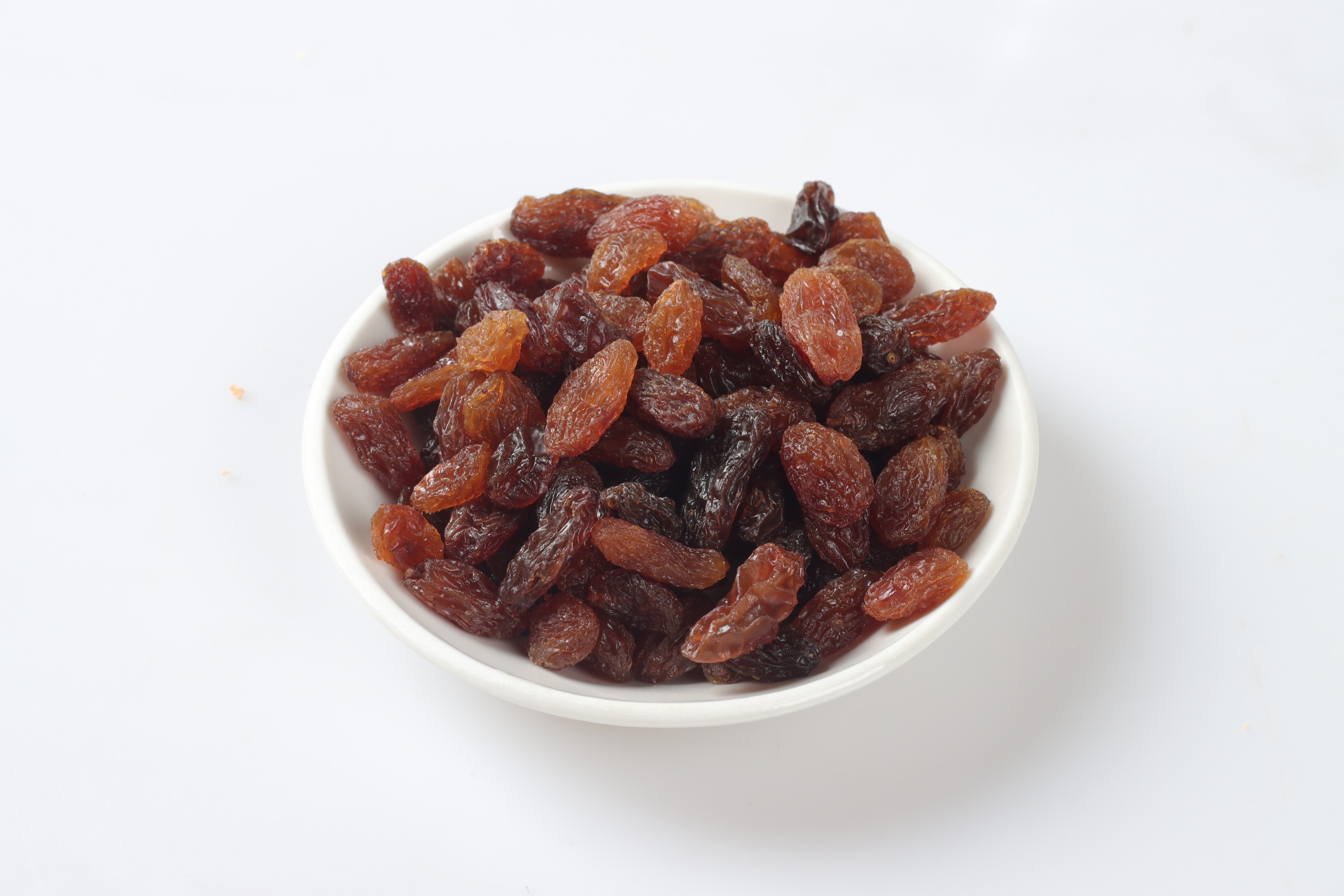
Bakery raisins contain a specific sugar composition, primarily fructose and glucose. The drying process heavily concentrates these natural sugars. This concentration elevates the Brix levels significantly compared to fresh grapes. Varietal differences affect the perceived sweetness and tartness of the dried fruit. Understanding these levels helps bakers anticipate the flavor impact on the final product.
Fructose provides a sharp, immediate sweetness. Glucose offers a more rounded flavor profile. The ratio between these sugars determines how the raisin tastes within the crumb. High-Brix fruit delivers strong flavor bursts but requires careful dough management. If the Brix level is too high, the fruit can become overly sticky, causing clumping in the scaling bins.
You can measure the impact of these sugars by monitoring your crust color. High sugar content leads to faster browning in the oven. If your fruit-heavy breads are getting too dark before the core reaches the target temperature, the natural sugars are driving excessive Maillard reactions. You may need to drop your oven temperature by ten degrees and extend the bake time slightly.
The sweetness profile of the raisin interacts dynamically with the overall formula. Bakers must adjust added sugars in the dough to compensate for the fruit's contribution. Failing to reduce formula sugar can result in an overly sweet product. It also increases the risk of excessive browning. The Maillard reaction accelerates if raisin sugars leach into the dough during prolonged proofing.
Natural raisin sweetness complements spice-forward formulations. Cinnamon, nutmeg, and brown sugar pair perfectly with concentrated grape sugars. This synergy often eliminates the need for excessive synthetic sweeteners. Proper sugar balancing ensures a harmonious flavor profile and an even crust color. You want the fruit to provide the sweet notes, not the base dough.
When formulating a new fruited bread, start by cutting the base dough sugar by at least twenty percent. Bake a test batch and evaluate the sweetness. It is much easier to add sugar back into the formula than to deal with a dough that ferments too fast and burns in the oven. Let the natural ingredients do the heavy lifting for flavor.
Improper bulk storage introduces severe risks to ingredient quality. Sugar crystallization, known as sugaring, creates an undesirable gritty texture. Moisture loss turns pliable fruit into hard pellets. Pest infestation remains a constant threat in dry storage areas. Managing these risks requires strict environmental control standards. You cannot just leave open boxes sitting on the warehouse floor.
Critical storage parameters include airtight container storage and temperature-controlled facilities. Protection against ambient humidity fluctuations is essential to maintain freshness. Mitigation strategies must include temperature-controlled environments and airtight packaging. Strict inventory rotation using the First-In, First-Out method prevents premature hardening and product loss. Keep the fruit off the floor and away from strong-smelling ingredients like onions or spices.
If you receive a pallet of fruit that has already started to sugar, you have a problem. Sugared raisins will not hydrate properly during conditioning. The crystallized sugars block water absorption. You end up with crunchy bits in your soft bread. Always inspect incoming shipments for sugaring and reject boxes that feel like gravel instead of dried fruit.
Procurement managers must analyze the overall value of their raisin supply. Pre-conditioned, ready-to-use commercial raisins carry a higher upfront unit cost. However, they eliminate the hidden labor, space, and water requirements of in-house conditioning. Raw raisins require significant handling before they are bake-ready. You have to factor in the hourly wages of the staff managing the soaking tanks.
Facilities must evaluate their production volume and capabilities. High-volume automated bakeries often benefit from pre-conditioned fruit to maintain throughput. Smaller artisan operations might prefer the control of in-house soaking. The decision rests on balancing ingredient consistency against available labor and facility infrastructure. If you lack floor drains and dedicated soaking vats, pre-conditioned fruit is usually the smarter operational choice.
Consider the yield loss from improper in-house conditioning. If a batch is over-soaked and turns to mush in the mixer, you lose the fruit, the flour, the yeast, and the production time. Pre-conditioned fruit removes this variable. It arrives at the exact moisture specification you need. You open the box, scale it, and mix it. The operational simplicity often outweighs the higher invoice price.
A high-performing bakery raisin is defined by its moisture readiness, appropriate sizing, and predictable sweetness. Raw quality alone does not guarantee baking success. To optimize your production process, implement the following steps:
Match the specific varietal to your dough type to ensure proper crumb structure and slicing integrity.
Audit your facility's capacity for moisture conditioning before finalizing procurement specifications with suppliers.
Request detailed technical spec sheets verifying moisture percentages and sizing grades from your ingredient partners.
Conduct small-batch stress tests to evaluate moisture migration and staling rates over a standard 5-day shelf-life period.
With dedicated raisin and bakery ingredient production facilities, Baker's Kingdom provides dried fruit, bakery ingredients, equipment, and integrated solutions for commercial baking operations. Its production and technical service capabilities help bakeries improve ingredient consistency, streamline production, and develop more reliable finished products.
A: Raw raisins typically contain only 18-20% moisture. When added directly to a higher-hydration dough, they act as desiccants. They absorb water from the surrounding gluten network to reach equilibrium, leaving the baked crumb dry and accelerating the staling process.
A: The ideal moisture content for raisins prior to dough integration is approximately 35%. This level matches the hydration of most standard bread doughs, preventing moisture migration and ensuring the fruit remains plump during baking.
A: Commercial conditioning involves soaking the fruit in ambient or warm water until they reach the target hydration. Crucially, the raisins must be thoroughly drained afterward. All surface water must be removed to prevent altering the dough's total hydration formula.
A: Thompson raisins have thicker skins and a chewier texture, making them resilient for hearty breads and heavy mixing. Sultanas have thinner skins, a lighter color, and a softer texture, making them better suited for delicate pastries and soft brioche doughs.
A: Refrigeration is not strictly necessary if stored properly. Bulk raisins should be kept in airtight containers in a cool, dry, temperature-controlled environment. This prevents moisture loss, sugar crystallization, and pest infestation while maintaining a stable shelf life.
A: Raisins contain highly concentrated natural sugars. If added too early in the mixing process, these sugars leach into the dough, creating osmotic pressure. This stress dehydrates the yeast cells, leading to sluggish and unpredictable fermentation times.
A: Dough slippage occurs when there is excess surface water on the conditioned fruit. To prevent this, ensure the raisins are thoroughly drained and dried of all external moisture before folding them into the dough at the very end of the mixing cycle.


