
English


Views: 0 Author: Site Editor Publish Time: 2026-11-04 Origin: Site


The best approach to how to store matcha powder starts with the instructions for the exact product. Keep the package sealed, protect it from light and moisture, and store it away from heat and strong odors. If refrigeration is specified or recommended, establish a handling procedure that prevents condensation when the pack is opened.
For cafés and bakeries, storage also depends on how often staff access the powder. Separate unopened stock from the working supply, record opening dates, and choose pack sizes that match actual production. These steps help protect flavor and color while keeping ingredient use traceable.
Table of Contents
Matcha can lose its fresh aroma and green appearance during storage, particularly when exposed to air and light. The rate depends on the product, packaging, temperature, and handling. Keep the opening period short and return the ingredient to its specified storage location promptly.
Check the protection provided by the original package before transferring the powder. An opaque outer container can provide additional light protection, while the primary package maintains the product identity and seal.
Avoid storage beside ovens, proofers, dishwashers, kettles, and sunny windows. Conditions at a weighing station can differ from the storeroom, especially during a busy production shift. Check the actual location where the ingredient waits between uses.
Use dry utensils and containers. Moisture introduced by a scoop, damp lid, or condensation can cause local caking and changes in condition. If an unusual change appears, retain the lot information and refer it for quality review.
Store matcha away from strong-smelling ingredients and cleaning chemicals. Check that the primary package or working container closes properly and is suitable for the storage environment.
Frequent opening creates repeated exposure. A smaller working quantity may simplify handling when it can be prepared under an approved procedure. Keep the remaining stock sealed and identifiable.
At receipt, check package integrity, product reference, lot number, date marking, and storage instructions. Keep the product in its original sealed package unless the supplier provides another approved arrangement.
Baker’s Kingdom’s MT-06 Matcha Powder page lists a one-year shelf life and storage sealed below 20°C, preferably refrigerated, away from sunlight and heat sources. Confirm those conditions on the current specification and label for the supplied product.
Use first-expired, first-out stock rotation. Record any storage excursion and ask the responsible quality team or supplier to assess it before release.
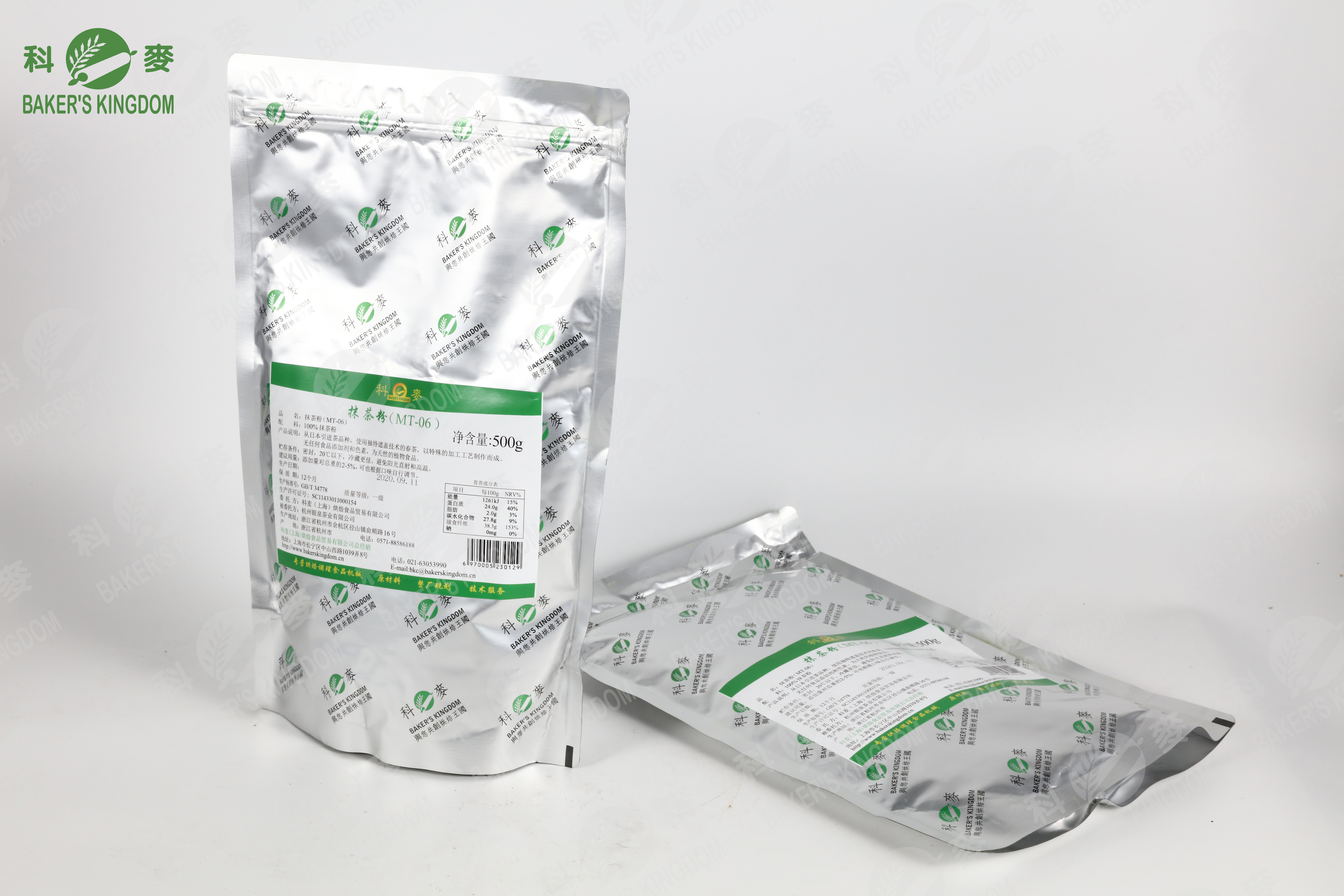
Label the pack or container with the product name, lot, opening date, and the applicable use instructions. Ask the supplier for guidance on handling after opening and define a working period appropriate to the product and operation.
The unopened shelf life does not automatically establish how long an opened pack will retain acceptable quality. Review the expected usage rate and avoid opening several packs of the same ingredient without a production reason.
A cold package opened in warmer, humid air can collect condensation on its contents or internal surfaces. Keep refrigerated matcha sealed while it adjusts before opening, following the product-specific procedure.
The time required depends on pack size, starting temperature, room conditions, and how the packs are arranged. Establish a suitable procedure rather than relying on one waiting time for every container. Plan preparation so staff can follow it during service.
Some tea producers provide freezing guidance for their products. Before freezing a commercial bakery ingredient, confirm whether the selected powder and packaging are suitable and what warming procedure applies.
Obtain confirmation for the actual product, especially when it is a formulated ingredient. Cold storage also needs to remain within the agreed shelf-life and handling conditions.
Stock condition | Main control | Record to keep |
|---|---|---|
Unopened delivery | Intact seal and specified storage | Product, lot, date marking, and receipt check |
Opened pack | Prompt resealing and approved working period | Opening date and lot |
Refrigerated pack | Sealed adjustment before opening | Approved handling procedure |
Frozen reserve, if approved | Suitable package and controlled warming | Supplier instructions and lot history |
Working container | Dry, clean, protected, and identifiable | Product, lot, transfer date, and use instructions |
Check the closure and the condition of any seal or zipper. Powder caught in the closing area can interfere with resealing. Keep the closure clean without introducing moisture or contaminating the contents.
If a pouch closes reliably, retaining it inside a suitable opaque container can reduce unnecessary transfers. If a working container is used, select one that is food-contact suitable, clean, dry, and capable of closing securely.
Choose a container that accommodates the powder without crowding the closure or creating unnecessary empty space. Consider how easily staff can weigh an ingredient without spilling it or leaving the lid open.
For pump-style or vacuum containers, confirm suitability for fine powders and follow the equipment instructions. Check valves, gaskets, and seals as part of the cleaning and inspection procedure. A complex closure only helps when it remains functional in daily use.
Have the scale, recipe, dry utensil, and receiving vessel ready. Open the package, weigh the required amount, and close it before continuing with mixing or sifting.
Avoid returning exposed surplus powder to the original stock. Plan weighing quantities and record losses so the team can identify whether pack size or preparation practices need adjustment.
Use the site’s cleaning procedure and verify that the container, lid, gasket, and seams are dry before filling. A fixed air-drying time may be unsuitable for different container designs and room conditions.
Preserve traceability during transfer. Avoid topping up old powder with a new lot unless the operation has a documented system that maintains lot control and the applicable use period.
Use consistent lighting and sample presentation when reviewing color. Compare the same product and formulation, since different powders can have different starting appearances.
Record changes in aroma, caking, package condition, and performance in the intended recipe. Photographs can help track visible changes, but they should be taken under comparable conditions.
Soft agglomerates can occur in fine powder. Dampness, unexpected hard caking, unusual odor, visible contamination, or damaged packaging require further assessment.
Set affected material aside with its lot and storage history. Follow the quality procedure before deciding its disposition. Baking or blending the powder into another product is not a substitute for that review.
Calculate demand from approved recipes and planned production. Include relevant handling losses, order lead time, and the remaining shelf life expected at delivery.
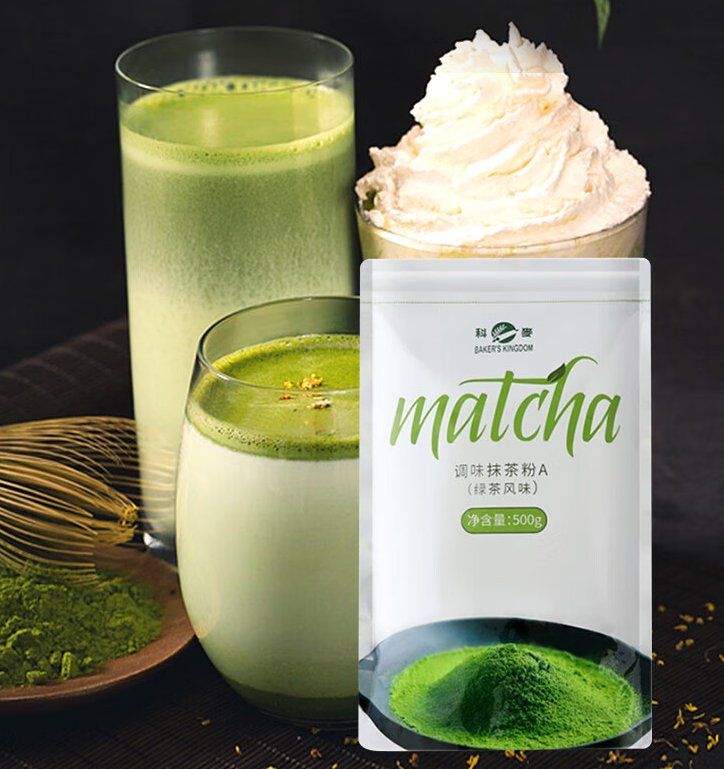
Baker’s Kingdom lists 500 g packaging for MT-06. Review whether that format fits your consumption pattern. For the Bake Stable Matcha Powder range, confirm the exact variant, pack format, and storage instructions separately.
Purchasing question | Why it matters |
|---|---|
What is the exact product reference and composition? | Storage guidance needs to match the supplied ingredient. |
What conditions apply before and after opening? | Working-stock procedures may differ from reserve-stock procedures. |
What shelf life remains at dispatch or delivery? | Purchasing quantity should fit the usable period. |
Which pack sizes and closures are available? | Opening frequency and handling depend on the format. |
Is refrigeration or freezing supported? | Packaging and sealed warming need a suitable procedure. |
What information is needed for a storage complaint? | Lot records and photographs support investigation. |
Review the matcha ingredient range with these questions before setting a recurring order.
Follow the selected product’s instructions. Where refrigeration is recommended, use a procedure that keeps the package sealed while it adjusts before opening. Review working quantities to make that procedure practical.
The period depends on the product, package, storage, and frequency of use. Ask for the supplier’s guidance and establish an appropriate working period. Record opening dates so staff can apply it consistently.
Clear glass needs protection from light, such as an opaque secondary container or a consistently dark storage location. Also check the closure, food-contact suitability, dryness, and product identification.
Review storage temperature, light exposure, seal integrity, nearby odors, and handling history. Compare with the approved product reference and refer unexpected changes for quality assessment.
Refer it for quality review before use. Appearance alone cannot establish suitability, and processing does not replace the required assessment. Follow the supplier’s instructions and the operation’s disposition procedure.
Planning matcha storage for a café, bakery, or production site? Contact Baker’s Kingdom with the product reference, expected usage, available storage conditions, and preferred pack size to discuss the applicable specifications.


