
English


Views: 0 Author: Site Editor Publish Time: 2026-11-17 Origin: Site


Consistent matcha cookies start with an approved ingredient, a measured formula and a repeatable baking process. Increasing the tea powder or lowering the oven temperature alone will not resolve every color or flavor problem.
Tea characteristics, sugar and fat choices, dough temperature, cookie thickness and heat distribution all influence the finished result. Packaging and storage can introduce further changes after baking.
For commercial bakeries and food brands, the practical approach is to define an acceptable product, compare samples under controlled conditions and establish measurable production checks. This guide explains how to build that process.
Table of Contents
A crisp shortbread, chewy drop cookie and filled cookie need different acceptance standards. A soft center is appropriate for some products, while a clean snap is essential for others.
Define the format, portion weight, dimensions, target texture and selling conditions before changing the formula.
A lightly browned edge may be acceptable in a chewy cookie. A pale molded biscuit may need tighter control of surface color. Neither standard applies to every matcha product.
Compare fully cooled cookies under the same lighting, using the same background and viewing position. Assess the top, underside and broken interior separately.
An approved photograph is useful for routine checks. For instrument-based color measurement, define the measurement location and method. White chocolate pieces, cracks and uneven surfaces can affect readings.
Avoid judging the finished cookie solely against the color of the raw powder. The surrounding ingredients and baking process change its appearance.
Record tea aroma, flavor intensity, bitterness and astringency separately. Also assess sweetness, fat-related mouthfeel and aftertaste.
Evaluate the complete cookie, including its chocolate, nuts, coating or filling. An ingredient that tastes strong in plain dough may become difficult to detect in the finished portion.
Attribute | Define before production | Useful batch check |
|---|---|---|
Appearance | Approved green tone and acceptable browning | Compare cooled samples with a reference |
Flavor | Tea intensity and bitterness limits | Use a consistent sensory scorecard |
Texture | Crisp, tender, chewy or filled | Evaluate after a defined cooling period |
Dimensions | Target weight, diameter and thickness | Measure samples across the production run |
Storage performance | Acceptable quality through the selling period | Test in the intended packaging |
Establish whether the product is pure tea powder or a formulated ingredient. Additional components may influence sweetness, flavor, color, dosage and labeling.
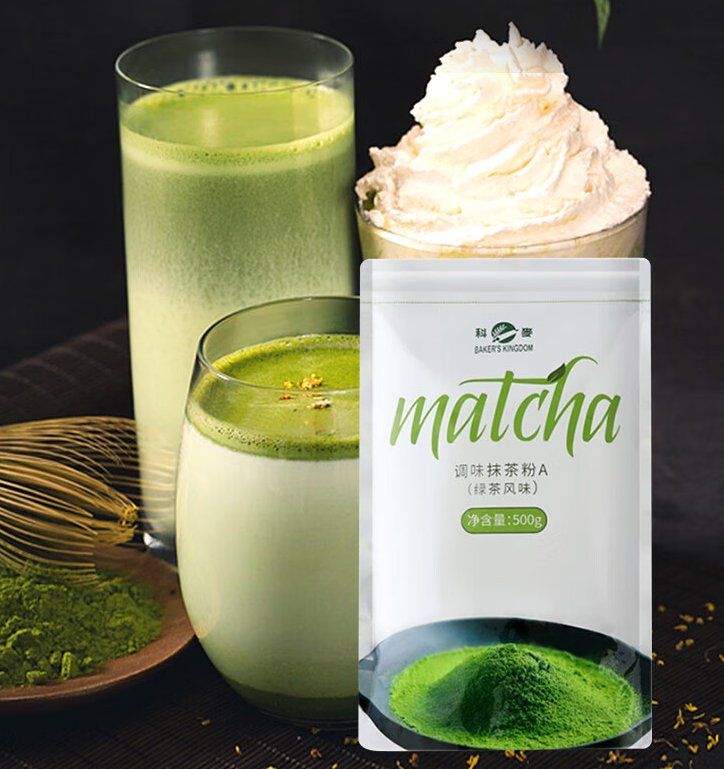
Baker’s Kingdom offers Bake-Stable Matcha Powder, with cookies listed among its applications. Request the current ingredient declaration and specification for the exact variant being considered.
The company also lists MT-06 Matcha Powder, described as pure matcha with cold-processed applications. Discuss the intended cookie process before choosing samples.
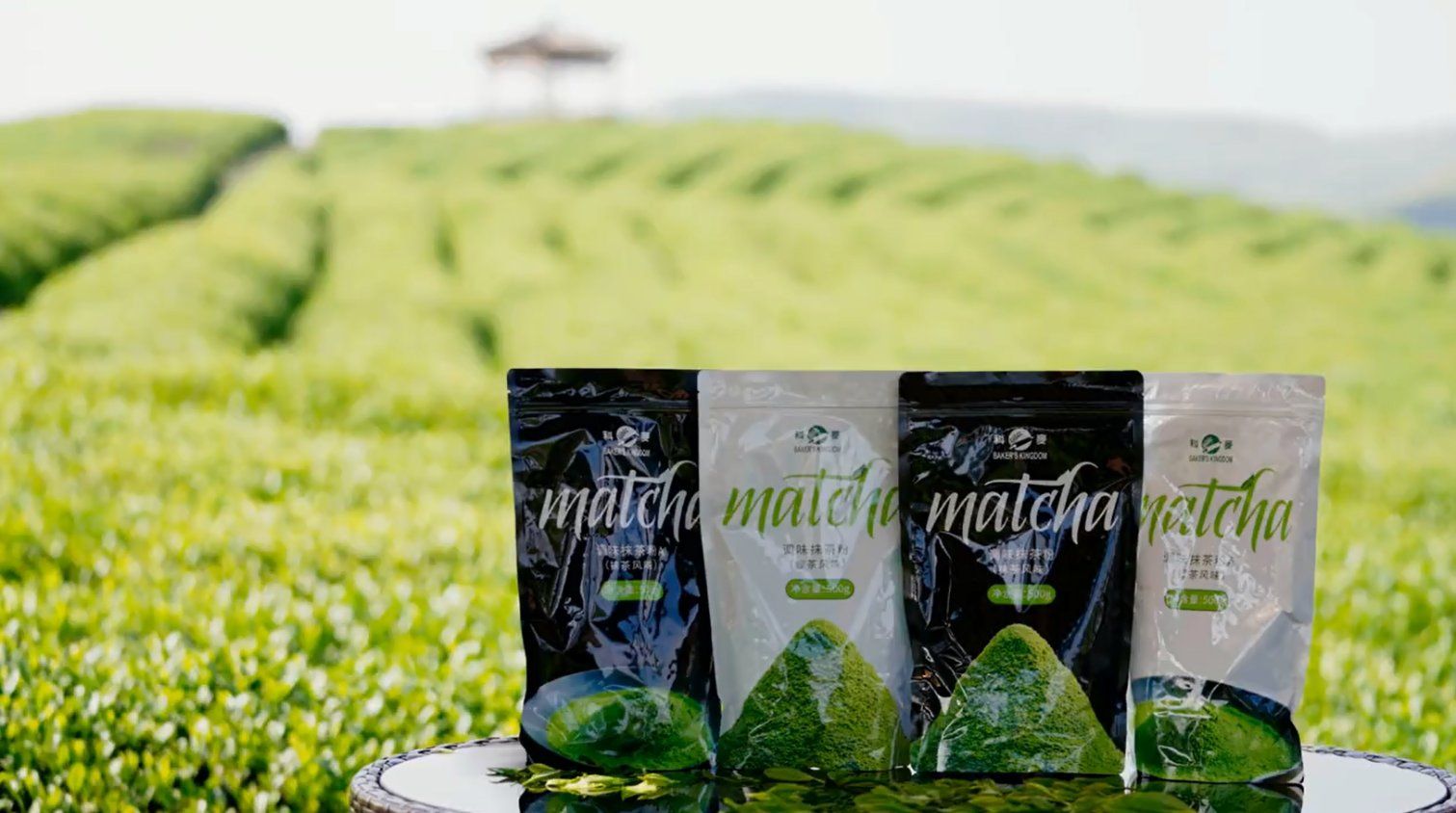
“Culinary” and “ceremonial” are insufficient purchasing specifications. These labels alone do not establish heat tolerance, harvest timing or performance in a particular dough.
Compare shortlisted powders in the same formula. Record the supplier, product code, batch number and dosage with each trial.
Assess the baked result and cost at the approved usage level. A higher purchase price does not automatically produce a better cookie, and a lower price does not establish better value.
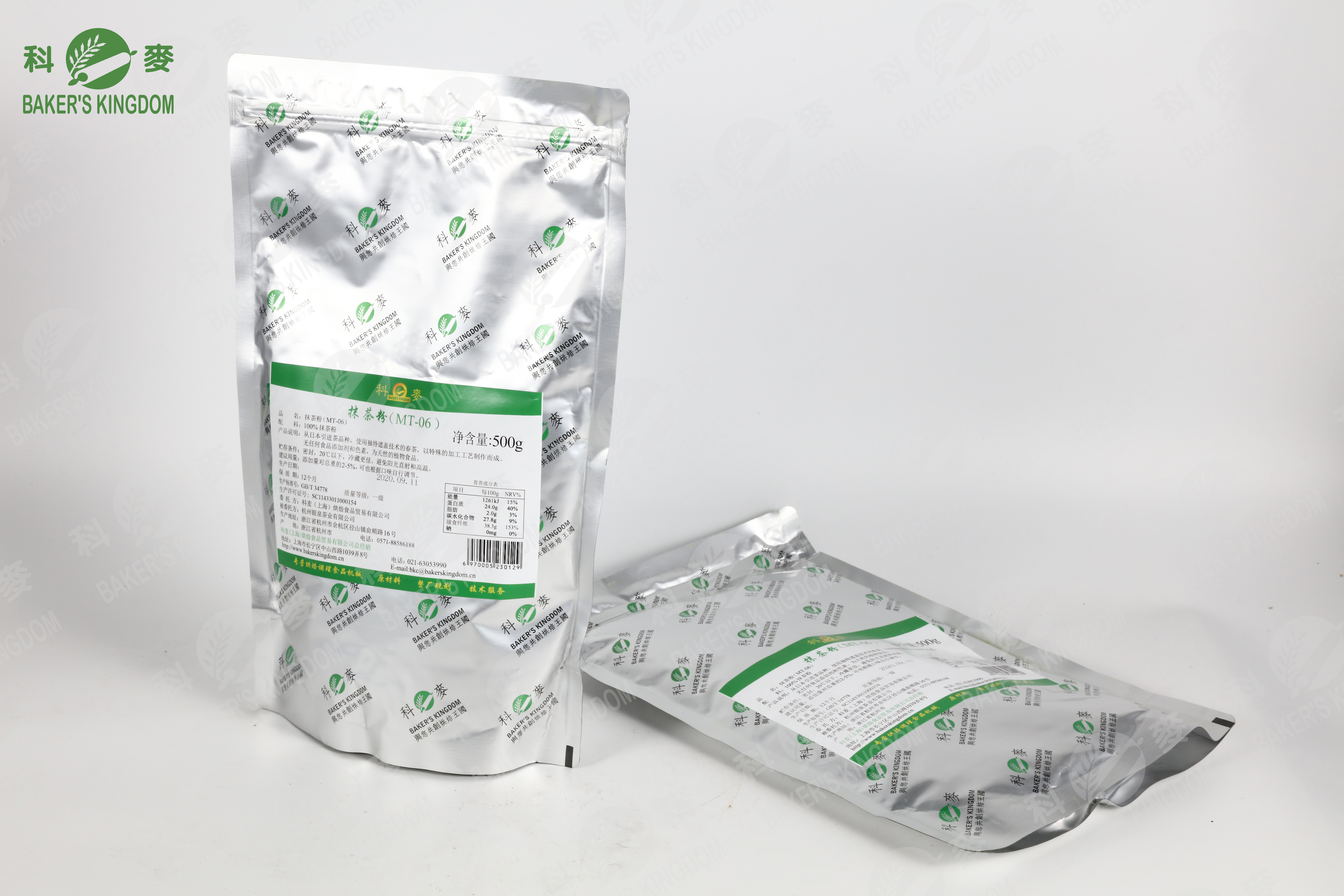
Follow the selected product’s storage instructions. Limit unnecessary exposure to moisture, light and air, and keep opened packages properly closed.
If refrigeration is required or recommended, establish a procedure that limits condensation during opening and use.
Choose package sizes suited to consumption rates. Record opening dates and retain an approved reference sample under defined conditions. Investigate unusual odors or appearance changes through your quality procedure rather than diagnosing the cause from appearance alone.
Use weights instead of tablespoons for commercial development. Record tea dosage relative to flour weight or total dough weight, and keep the reporting basis consistent.
For example, 200 g of powder added to a formula containing 10,000 g of flour equals 2% of flour weight. This is a calculation example, not a recommended cookie dosage.
Start with supplier guidance and a small trial series. Keep other variables consistent before refining the selected formula.
White chocolate, macadamia nuts, almonds, vanilla and fruit-flavored chocolate are possible pairing directions. Test them within the intended product positioning and allergen requirements.
If bitterness is excessive, first check the powder identity, dosage and distribution. Increasing sugar or fat may change the sensory balance, but it also changes texture, spread and cost.
Compare one adjustment at a time so that the effect remains identifiable.
Brown sugar contributes its own color and flavor, which can change the appearance of a green dough. White sugar may provide a more neutral visual background, but substitution can also affect texture and spread.
Fat products differ in composition and melting behavior. A plant-based alternative should be evaluated using its actual specification rather than a general assumption about water content.
Do not automatically replace tea powder with an equal volume of flour. The ingredients perform different functions. Adjust flour, liquid or fat only when controlled trials support the change.
Sifting or dry blending can help break up clumps and improve distribution. Select a sieve and mixing sequence compatible with the ingredient and production equipment.
A slurry may be useful in some formulas, but its liquid must be included in the batch calculation. Unplanned liquid additions can alter the cookie’s structure.
Record ingredient temperatures, mixing order, mixer loading, speed and endpoint. A fixed creaming time cannot account for every mixer or batch size.
Baking soda and baking powder affect rise, spread, flavor and browning. Their behavior depends on the complete formula, including acidic ingredients.
Do not substitute one for the other solely to change the green color. Any leavening adjustment needs a new evaluation of dimensions, texture and flavor.
For filled cookies, assess filling quantity, moisture and starting temperature separately. Freezing a filling does not establish that the center will receive the required process.
A consistent portion weight is necessary, but thickness and shape also matter. Two portions of equal weight can bake differently if their geometry differs.
Define the dough temperature or conditioning procedure at depositing, cutting or shaping. Some formulas benefit from chilling; others are designed for immediate processing.
Validate the chosen method rather than applying a universal two-hour or overnight rest.
Record oven settings, residence time, loading pattern, airflow and tray or belt configuration. Check actual equipment performance rather than relying only on the displayed temperature.
Pan finish, liner type and equipment position can influence browning and spread. Keep them consistent during comparison trials.
When excessive browning occurs, investigate heat distribution, time, thickness and formula composition. A lower oven setting is one possible trial, but a longer bake may introduce dryness or other changes.
Approve a profile that achieves the required texture and adequately processes the product.
A visible defect can have several causes. Confirm the cause before changing the ingredient or formula.
Observed problem | Variables to investigate | Controlled next step |
|---|---|---|
Uneven green color | Powder clumps, mixing distribution, uneven heat | Check dough uniformity and compare equipment positions |
Dark undersides | Tray condition, liner, bottom heat, bake time | Trial one equipment variable at a time |
Excessive bitterness | Dosage, ingredient identity, flavor balance | Compare weighed dosage trials |
Dry or chalky texture | Formula balance, powder distribution, moisture loss | Review dough handling and baking together |
Excessive spread | Fat condition, dough temperature, weighing, leavening | Compare against the approved batch record |
Fading during storage | Packaging, light, oxygen, moisture and storage conditions | Run a packaged-product comparison |
Cookies continue changing as they cool. Establish a transfer and cooling procedure that preserves shape, texture and handling quality.
There is no universal requirement to remove every cookie from its tray after exactly two minutes. Fragile products may need different handling from firm biscuits.
Package under validated conditions that avoid condensation and support the intended texture. Assess moisture transfer when combining cookies with fillings or coatings.
Test the product in its actual packaging and distribution conditions. Monitor appearance, flavor, texture and appropriate microbiological criteria.
A crisp cookie and a soft filled cookie need different storage evaluations. Ingredient shelf life does not establish finished-product shelf life.
Calculate cost per saleable unit using the approved dosage, packaging, process time and yield. Review the Baker’s Kingdom matcha range against those requirements before final ingredient approval.
Surface browning and changes in tea pigments can both affect appearance. Formula composition, baking time, heat distribution and storage also matter. Compare the surface, underside and interior before deciding which variable to adjust.
There is no universal setting. Thickness, moisture, texture target and equipment determine the appropriate profile. Begin with an established process for the cookie format, then test adjustments while checking doneness, dimensions and eating quality.
Use supplier guidance and weighed trials. State whether dosage is based on flour weight or total dough weight. Select the level that meets flavor, appearance, texture and cost requirements rather than applying a tablespoon limit to every batch.
Yes, but the complete formula needs validation. Review the composition of the replacement fat and other ingredients, then evaluate mixing, dough conditioning, spread and storage. Color consistency depends on the ingredient and process together.
Provide the cookie format, target weight and thickness, current dosage, mixing process and baking conditions. Include inclusions or fillings, packaging, selling period, target market and expected order quantity.
For ingredient selection, contact Baker’s Kingdom with your cookie specification and production conditions. Request current product information and samples for a documented trial in your own process.


