
English


Views: 0 Author: Site Editor Publish Time: 2026-11-04 Origin: Site


The main difference between matcha powder vs green tea powder is the ingredient’s production identity and specification. Matcha is a particular type of powdered green tea. “Green tea powder” is a broader description that can cover products made from different tea materials and processes.
For baking, the name alone cannot predict performance. Flavor strength, particle size, ingredient composition and behavior in the finished recipe all influence the result.
A bakery choosing between the two should start with its target product. A delicate matcha cream, a cocoa-rich cookie and a baked sponge cake may need different ingredient characteristics. The right choice is the powder that delivers an approved result consistently at an acceptable cost per portion.
Table of Contents
In traditional Japanese tea production, matcha is made by grinding tencha. The tea plants are shaded before harvest, and the leaves are steamed and dried without rolling. Stems and veins are removed during processing.
These production details help distinguish matcha from other powdered teas. However, a commercial purchase still needs supporting product information. Country of origin, milling method and a green appearance do not individually establish the complete identity or quality of a powder.
Ask the supplier to describe the tea raw material and processing route rather than relying only on the product name.
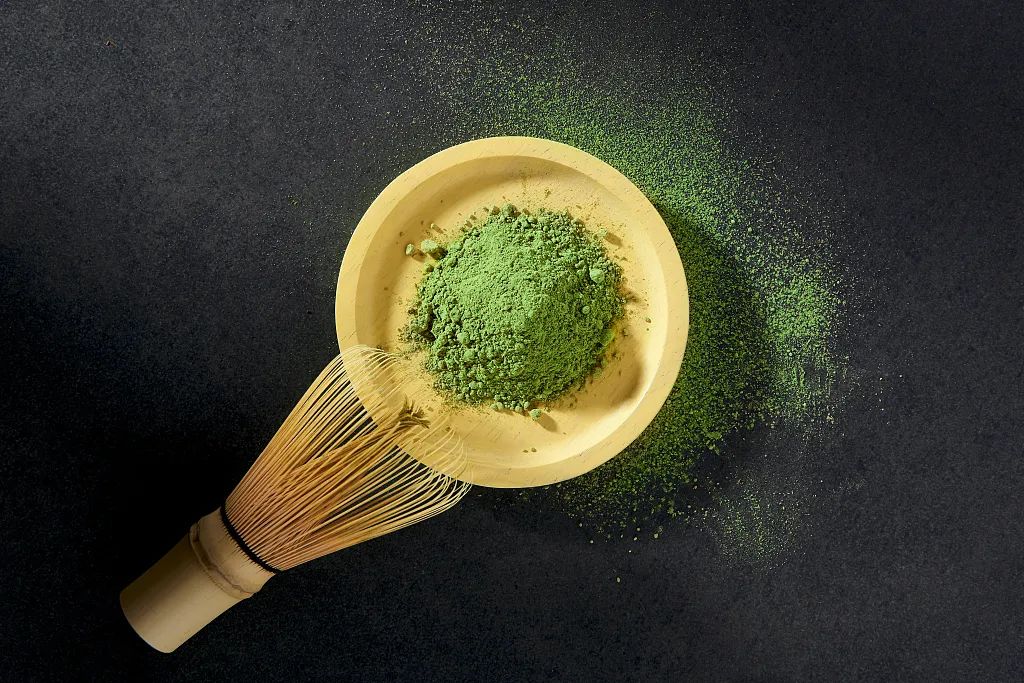
Green tea powder describes a wider ingredient category. It may be produced from different green teas, with differences in cultivation, leaf selection, processing and milling.
Some products may offer a pronounced grassy flavor. Others may have a softer profile. Texture also varies according to the actual particle distribution.
It is therefore misleading to assume that every green tea powder is coarse, bitter or unsuitable for professional baking. Equally, a product labeled matcha does not automatically perform better in every recipe.
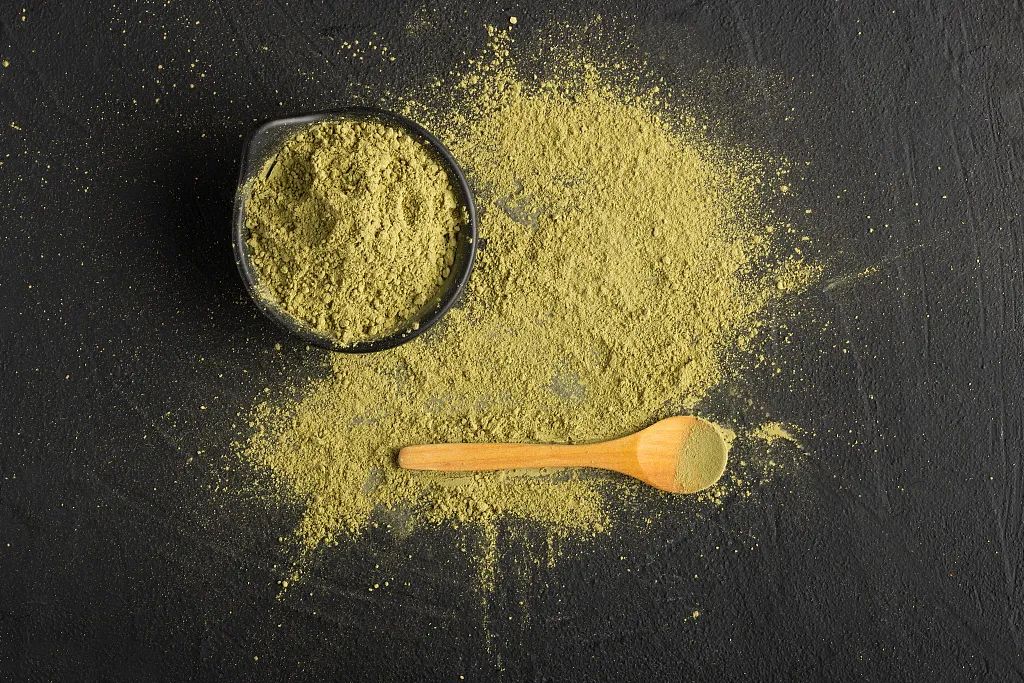
Composition is a separate purchasing question.
A pure tea powder and a formulated tea-flavor ingredient may differ in tea content, sweetness, carriers, flavorings or other ingredients. Their recommended usage and labeling implications may also differ.
Baker’s Kingdom lists both Matcha Powder and Bake-Stable Matcha Powder. Buyers should request the current ingredient declaration for the selected product before comparing dosage or planning a substitution.
Buying question | Matcha powder | Other green tea powder |
|---|---|---|
What is the ingredient? | Verify the tea material and production description | Establish which green tea material is used |
Is it a pure tea powder? | Confirm the ingredient declaration | Confirm the ingredient declaration |
How strong is the flavor? | Evaluate in the intended recipe | Evaluate in the intended recipe |
How fine is the powder? | Request a measured specification | Request a measured specification |
Will it retain the required color? | Test through processing and storage | Test through processing and storage |
Which is more economical? | Compare cost at the approved dosage | Compare cost at the approved dosage |
Tea flavor changes when combined with sugar, dairy, fat, cocoa and other ingredients.
A powder that tastes balanced in water may become difficult to detect in a chocolate cookie. Another powder may deliver enough tea character at a lower dose but produce excessive bitterness when increased.
Evaluate samples in the actual product matrix. Record tea aroma, bitterness, astringency and aftertaste separately. These observations are more useful than a general description such as “premium flavor.”
For a bakery range, it may be practical to approve different powders for cream fillings and baked products.
Raw powder color provides a useful reference, but it does not guarantee the color of a cake after baking.
Tea pigments can change during heating and storage. Recipe acidity, processing conditions, exposure to air and light, and the surrounding ingredients can influence the visible result.
Compare products under consistent lighting after baking, after cooling and at the intended selling point. For packaged bakery products, include storage in the actual packaging.
Avoid changing baking soda or another pH-sensitive ingredient solely to obtain a greener appearance. Such changes can also affect flavor, browning, texture and leavening.
Matcha and other whole-leaf tea powders disperse in a recipe; they do not completely dissolve like sugar.
Poor dispersion can leave dark specks, clumps or uneven flavor. Particle size matters, but mixing order and equipment matter too.
For dry mixes, distributing the powder through part of the dry ingredients may help. For a cream or batter, a smooth dispersion made with a suitable portion of the recipe liquid may be more effective.
Use a method compatible with the formula. Adding extra water without accounting for it can change batter consistency and finished texture.
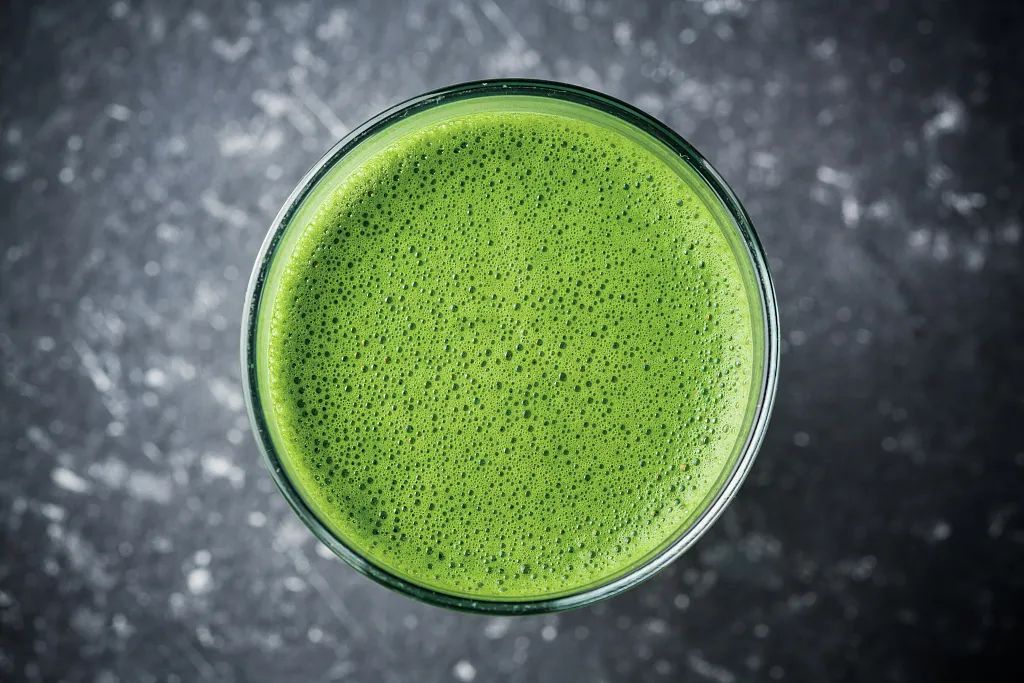
A mesh figure alone is not a complete description of particle performance. Ask how the supplier measures fineness and whether comparable particle-size data are available.
When suppliers provide D50 or D90 values, request the measurement method and reporting basis. Compare specifications measured on a compatible basis.
Confirm the result through a practical texture assessment. This is particularly important for smooth creams, chocolate-based fillings and other applications where particles are easily noticed.
The best matcha powder for baking depends on the role tea plays in the finished product.
Application | Main purchasing priority | Useful trial observations |
|---|---|---|
Sponge cakes and muffins | Balanced flavor and acceptable baked color | Crumb color, volume, bitterness and moisture perception |
Cookies and biscuits | Tea flavor after baking | Aroma, browning, texture and aftertaste |
Cream fillings and mousses | Smooth dispersion and clean flavor | Clumps, mouthfeel and appearance during chilled storage |
Chocolate-based fillings | Compatibility with fat and sweetness | Particle perception, flavor balance and processing behavior |
Bread and sweet dough | Performance through fermentation and baking | Dough handling, volume, tea character and crumb appearance |
Layered desserts | Consistency across separate components | Color and flavor balance between cake, cream and toppings |
Baker’s Kingdom’s MT-06 Matcha Powder page lists cold-processed applications, including nama chocolate, ice cream and mochi. Its separate bake-stable product listing provides another option to discuss for heated applications.
These descriptions help narrow the sample shortlist. They do not replace a trial in your own equipment and formula.
Review the matcha powder product range and explain whether the ingredient will be baked, mixed into a chilled filling or used across several components.
Purchase price per kilogram can give an incomplete picture.
A powder requiring a higher dose may cost more per finished portion. Another may reduce formulation cost but require changes to a label claim or product positioning.
Calculate ingredient cost using the dosage that passes your sensory and processing requirements. Include any necessary formula adjustments, handling losses and packaging considerations.
A purchasing decision becomes easier when the product-development team defines acceptable flavor, appearance and consistency before quotations are compared.
There is no universal substitution ratio between matcha powder and green tea powder.
When both samples are pure tea powders, an equal-weight trial can provide an initial screening point. It does not establish final equivalence.
Keep the remaining formula, mixing method, portion size and processing conditions consistent. Then adjust the tea dosage in separate trials to reach the target profile.
If one product is a flavored blend, first review its composition. Equal-weight replacement may change more than tea intensity.
Do not automatically add a fixed amount of water for every gram of tea powder. Powder characteristics and recipe structure vary too much for a universal rule.
Check batter flow, dough handling, whipping behavior or filling consistency as appropriate. Make one adjustment at a time and record the result.
Likewise, increasing sugar or fat to mask bitterness may alter sweetness, texture and cost. First determine whether a different tea dosage or ingredient is a better fit.
Before placing a production order, request information that supports both formulation and procurement.
Useful items include the complete ingredient declaration, tea origin, processing description, particle specification, packaging format, storage instructions and shelf life.
Ask which batch documents and food-safety information are available for the intended market. If your product requires an organic claim or another certification, verify the current certificate and its scope for the exact ingredient.
For repeat orders, agree on practical acceptance criteria. These may include sensory comparison against an approved reference and checks performed using a defined preparation method.
A paper smear, finger test or photograph cannot establish tea origin, processing history or ingredient composition.
Use supplier documentation, traceability information and suitable testing where required. Keep an approved reference sample under defined storage conditions so that future batches can be evaluated consistently.
Record the sample code and batch number with each baking trial. This connects the approved bakery result to the material actually purchased.
Yes, if the selected powder delivers the required flavor, texture and appearance. Check composition first, then run a controlled trial. A direct replacement may require dosage changes, and the finished product name or ingredient declaration should remain accurate.
Stone grinding is associated with traditional matcha production, but milling equipment alone is not a complete purchasing criterion. Baker’s Kingdom’s MT-06 listing specifies ball milling. Assess the documented ingredient identity, particle characteristics and application performance together.
Heating, recipe chemistry and browning reactions can change the appearance of a tea-based cake. Storage can cause further changes. Compare the powder in the finished recipe and packaging before approving it for a product with a specific green-color target.
The label alone does not establish suitability for your application. Request a specification and evaluate samples in your recipe. Select the powder that achieves the required flavor and appearance at an acceptable cost rather than assuming a grade name guarantees better baking performance.
Provide the product type, recipe dosage, batch size, mixing process, baking conditions and target appearance. Include the intended market, labeling requirements, expected order quantity and packaging needs. This helps the supplier recommend samples for a meaningful comparison.
For ingredient selection, contact Baker’s Kingdom with your bakery application and processing conditions. Request current specifications and samples of the relevant matcha products, then approve the ingredient through a documented production trial.


