
English


Views: 0 Author: Site Editor Publish Time: 2026-11-06 Origin: Site


Combining matcha and cocoa in bakery products gives developers two distinct flavor directions to work with. Matcha contributes tea aroma and a green visual identity. Cocoa and chocolate contribute roasted notes, brown color, and varying levels of sweetness and fat. The pairing works best when the recipe gives each ingredient a clear role.
Start by deciding which flavor should lead. A matcha cookie with white chocolate pieces puts tea first. A cocoa sandwich biscuit with matcha cream creates a contrast between components. A marble cake can show both flavors while keeping their colors partly separate. Then test sweetness, texture, and appearance through the intended shelf life.
Table of Contents
White chocolate provides cocoa butter and sweetness without the brown cocoa solids that would darken a green component. It is a useful starting point for matcha cookies, blondies, coatings, and cream fillings.
Check the chocolate’s sugar, fat, and milk ingredients before adjusting the recipe. Its contribution to sweetness and texture depends on the product and dosage. For a filling, test firmness at the intended serving temperature. For inclusions, check whether the pieces retain the desired shape during baking.
Milk chocolate adds cocoa, dairy, and sweet notes. It can work in a thin coating, a ganache layer, or small inclusions where the tea remains noticeable. Compare the finished bite so the chocolate portion supports the intended flavor balance.
A layered format gives the development team separate control over the two components. For example, a matcha sponge with a milk-chocolate filling allows adjustments to filling weight without changing the sponge formula.
Dark chocolate and cocoa powder can provide a more pronounced roasted profile. Start with a restrained chocolate component if the matcha needs to remain prominent. Evaluate bitterness and astringency together, especially in low-sugar recipes.
Cocoa powder and chocolate also behave differently in a formula. Cocoa powder adds dry solids, while chocolate contributes cocoa components, sugar, and fat according to its composition. Specify which ingredient is being used before transferring a trial into production.
Component | Useful starting format | Main development check |
|---|---|---|
White chocolate | Matcha cookies, blondies, coatings | Sweetness, melting, and texture |
Milk chocolate | Layer cakes, ganache fillings, inclusions | Tea visibility in the finished bite |
Dark chocolate | Thin coatings, drizzle, layered desserts | Combined bitterness and portion balance |
Cocoa powder | Brownie bases, biscuits, marble cakes | Batter consistency, color, and leavening |
Use matcha as the main dough flavor and white chocolate as an inclusion. Compare two inclusion levels while holding the base dough constant. Assess whether the chocolate provides enough sweetness without obscuring the tea.
Record dough handling, spread, thickness, and texture after cooling. If the product will be wrapped, check the eating quality after storage in the intended package. Include chocolate distribution in the inspection so each piece delivers a consistent bite.
Pair a cocoa biscuit with a matcha filling to keep the brown and green components distinct. Set the filling weight per biscuit and compare its flavor intensity against the cocoa shell.
Check filling firmness, depositing behavior, and squeeze-out during handling. Follow the assembled product through storage to evaluate moisture migration, biscuit texture, and filling stability. A filling that works on the bench may need adjustment for the depositing equipment.
Split an established batter into matcha and cocoa portions. Adjust each portion through measured trials so their consistencies remain suitable for depositing and swirling. Keep the component weights and mixing sequence documented.
Limit the swirl pattern if visible separation is part of the product brief. Inspect several slices from each loaf to check distribution. Evaluate the baked crumb as well as the crust, because surface browning can create a different appearance from the center.
A cocoa sponge and matcha cream can provide a clear flavor sequence in a chilled cake. Develop the sponge and cream separately, then evaluate the assembled portion at its intended serving temperature.
Measure the layer weights and check cutting, packaging, and handling. Review the cream’s firmness after storage and any movement of moisture between layers. If freezing is part of distribution, include the actual freezing and thawing cycle in the trial.
Chocolate pieces and roasted almond, hazelnut, or walnut can introduce contrasting textures to a matcha bread. Begin with one nut and one chocolate type so the team can identify their effects on flavor and handling.
Check inclusion distribution, dough development, proofing, and slicing. Review allergen requirements and cross-contact controls before adding nuts to a shared line. Evaluate nut freshness and the finished product’s flavor through the planned storage period.
Strawberry, raspberry, orange, or banana can be explored as a third flavor. Use a defined role, such as a small fruit filling, a separate layer, or a garnish, so the tea and cocoa remain recognizable.
Fruit purées and fillings change moisture and acidity. Freeze-dried fruit can also change during storage as it absorbs moisture from adjacent components. Test the assembled product before fixing the garnish or filling specification.
Request the composition and specification of the selected matcha product. A pure tea powder and a formulated baking ingredient can differ in dosage, flavor, color, and labeling implications.
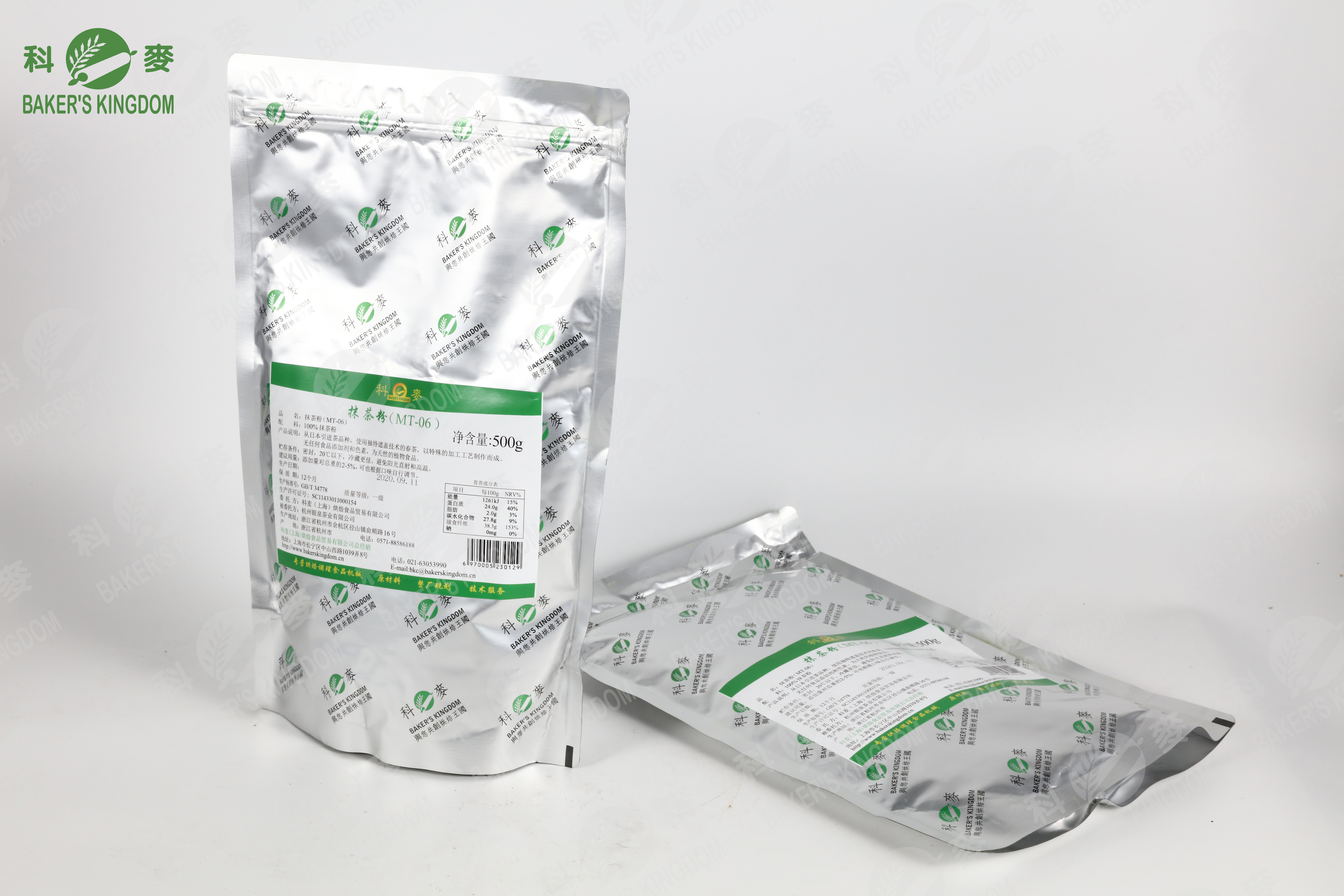
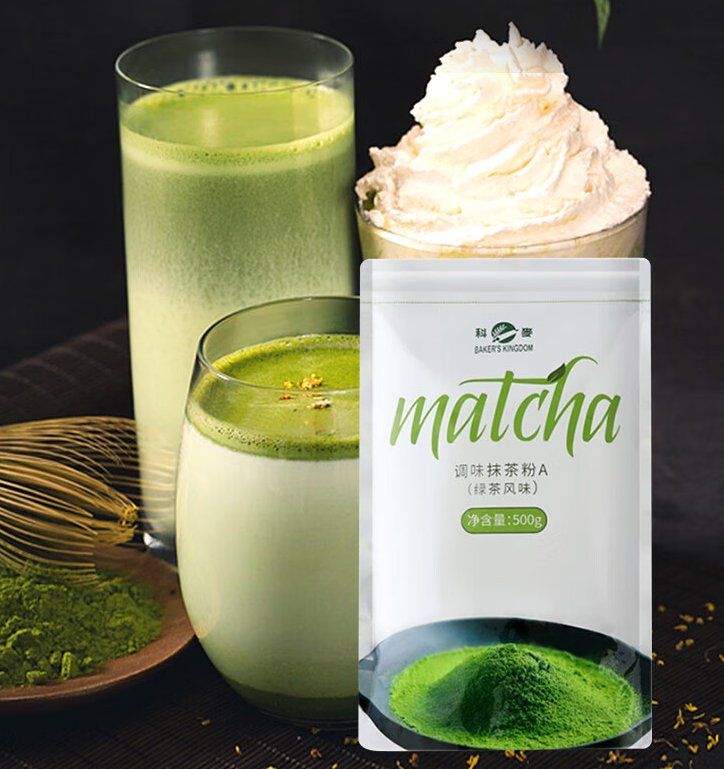
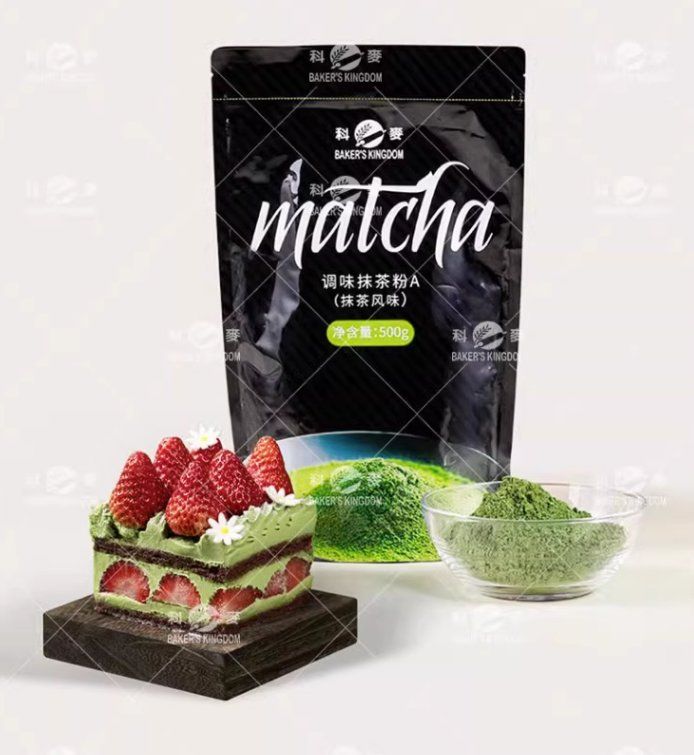
Baker’s Kingdom lists MT-06 Matcha Powder as a pure matcha product with cold-processed application examples. Its Bake Stable Matcha Powder page presents flavored variants and bakery applications. Select the product reference that suits the process, then confirm the current specification.
Adding tea or cocoa powder changes the dry ingredients in a formula. Chocolate changes the balance in another way because it also contains fat and usually sugar. Record each addition and assess its effect before making further adjustments.
Use the control recipe to compare batter flow, dough consistency, spread, volume, and eating texture. Adjust water, fat, and sugar as separate variables where practical. A measured trial gives clearer information than applying the same correction factor to every powder.
Natural and alkalized cocoa differ in acidity, color, and flavor. Changing cocoa can affect a chemically leavened product, so review the full recipe, including other acidic ingredients and the balance of baking soda and baking powder.
Request the cocoa or premix specification before substitution. If using a premix, confirm what it already contains and follow its preparation instructions as the starting point. Compare rise, crumb, flavor, and color after any change.
Keeping matcha and cocoa in separate layers or swirls helps preserve visible contrast. Mixing them completely will make the brown cocoa color more dominant. Baking and storage can also change the matcha component’s appearance.
Post-bake fillings and coatings offer another development route. They still require suitable ingredient controls, hygienic preparation, and the correct storage system. Approve the result after the intended process and display conditions rather than judging the fresh component alone.
Begin with a proven base formula. Choose whether the first comparison concerns matcha dosage, chocolate portion, cocoa type, or component placement. Keep the remaining ingredients and process consistent.
As an illustrative screening plan, compare two matcha levels with two chocolate inclusion levels to make four trials. Evaluate the preferred options again before changing liquids or fat. These are trial-design choices, not recommended ingredient dosages.
Checkpoint | What to record |
|---|---|
Mixing and preparation | Dispersion, lumps, dough or batter consistency, and preparation time |
Depositing or assembly | Portion weights, inclusion distribution, filling flow, and shape |
Baking and cooling | Volume, spread, crumb, crust, and visible color separation |
Eating quality | Tea intensity, cocoa intensity, sweetness, bitterness, and aftertaste |
Storage | Texture changes, moisture migration, color, and flavor stability |
Cost | Ingredient cost per saleable portion, yield, and rejects |
Share the product format, intended storage, production process, target market, and desired flavor balance. Include any pure-tea, allergen, or ingredient-label requirements. State the expected trial and commercial quantities.
Baker’s Kingdom’s matcha powder and cocoa premix category can help buyers identify relevant ingredient options. Confirm the exact cocoa product or premix composition before incorporating it into a production specification.
White chocolate is a useful starting point when matcha should lead and the green component should remain visible. Compare its sweetness and fat contribution in the actual recipe before setting the inclusion level.
Yes. Test the combined flavor and expect the cocoa to influence the overall color. If green and brown contrast matters, compare a divided batter, separate layers, or a distinct filling.
Choose according to the desired flavor, color, and complete formula. Review the leavening system when changing cocoa type and compare the finished product in a controlled trial.
Determine the adjustment from the base recipe and selected ingredients. Measure consistency, baking performance, and eating quality, then adjust variables separately. The same correction factor will not suit every application.
Plant-based versions are possible. Check the chocolate and other ingredients for composition and allergens, then test the replacement fat and liquid system. Confirm filling firmness, flavor balance, and storage behavior before approval.
Developing a matcha-and-cocoa bakery concept? Send Baker’s Kingdom your application brief, including the format, process, storage conditions, target flavor, ingredient constraints, and expected volume.


